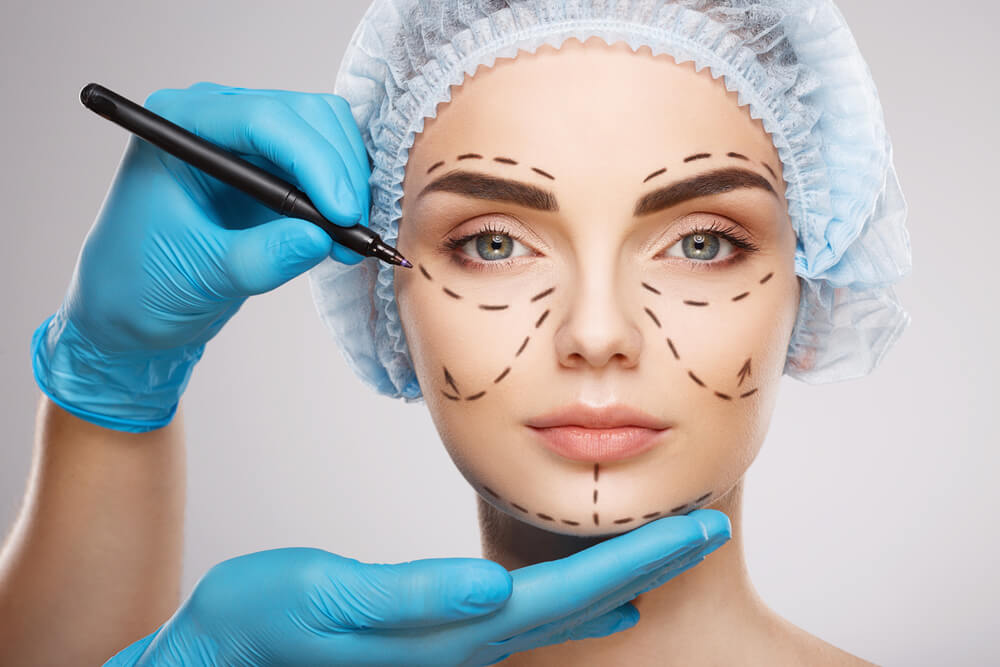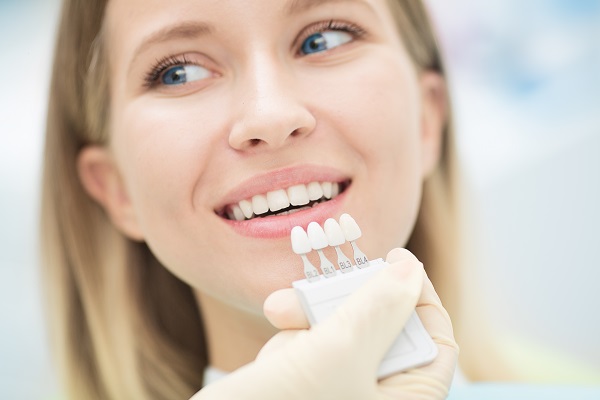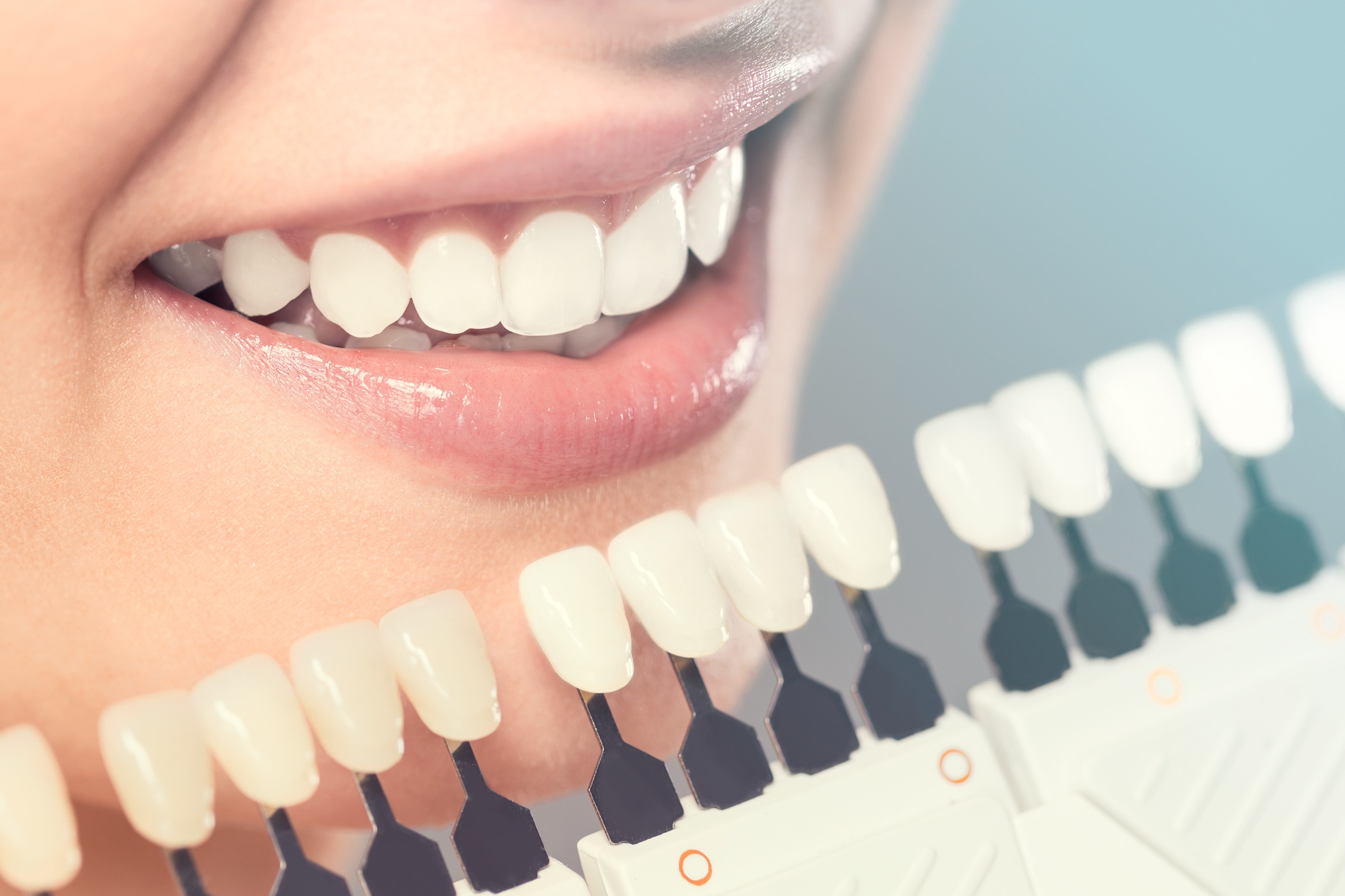

Advances in cosmetic dentistry have made it possible to enhance smiles without invasive interventions, offering accessible, comfortable solutions that prioritise oral health and aesthetics. Non-invasive techniques, such as teeth whitening, composite bonding, and clear aligners, provide effective results with minimal discomfort and recovery time. These methods align with the growing demand for dental care that balances appearance with functionality, allowing individuals to achieve their ideal smile while maintaining healthy teeth and gums.
Dr. Sahil Patel, a leading cosmetic dentist London at MaryleboneSmileClinic dentistry, offers insight into this trend: “Patients increasingly seek treatments that enhance their smile without compromising their natural teeth. Techniques like composite bonding and professional whitening are popular because they deliver noticeable results with minimal intervention. For those considering these options, consulting a skilled cosmetic dentist ensures personalised care and long-lasting outcomes.”. This approach reflects a broader shift in London’s dental landscape, where innovation meets patient comfort.
The Appeal of Non-Invasive Cosmetic Dentistry
Non-invasive cosmetic dentistry focuses on enhancing the appearance of teeth without requiring surgical procedures or significant alterations to tooth structure. Unlike traditional methods such as crowns or veneers, which may involve removing enamel or reshaping teeth, non-invasive treatments preserve the natural tooth as much as possible. This appeals to Londoners who value both aesthetics and oral health, as these procedures reduce risks like sensitivity or long-term damage.
The rise of non-invasive options also reflects changing attitudes toward dental care. Many patients are now better informed, thanks to online resources and social media, and they prioritise treatments that fit busy lifestyles. A cosmetic dentist in London can offer solutions that require fewer appointments and less downtime, making smile upgrades more practical for professionals, students, and parents alike. Additionally, these treatments are often more affordable than invasive alternatives, broadening their accessibility across diverse demographics.
Teeth Whitening: A Simple Path to a Brighter Smile
Teeth whitening is one of the most sought-after non-invasive treatments in London’s cosmetic dentistry scene. This procedure uses professional-grade bleaching agents to remove stains caused by coffee, tea, red wine, or smoking, resulting in a noticeably brighter smile. Unlike over-the-counter whitening kits, which can be inconsistent or cause sensitivity, professional whitening is supervised by a cosmetic dentist in London to ensure safety and efficacy.
The process typically involves an in-office treatment, where a dentist applies a high-concentration peroxide gel to the teeth, often activated by a specialised light. Sessions last about an hour, and patients can see results immediately, with further improvement over the following days. For those preferring at-home options, dentists provide custom-fitted trays and professional-strength gel, offering flexibility without sacrificing quality. Regular maintenance, such as avoiding staining foods and attending hygiene appointments, helps prolong results, which can last from six months to two years depending on lifestyle.
Whitening is particularly popular because it requires no alteration to the tooth’s structure, making it a low-risk option for most patients. However, it’s not suitable for everyone—those with severe discoloration or dental restorations may need alternative treatments. A consultation with a cosmetic dentist in London ensures the procedure is tailored to individual needs, maximising results while protecting oral health.
Composite Bonding: Reshaping Smiles with Precision
Composite bonding is another cornerstone of non-invasive cosmetic dentistry, offering a versatile solution for chipped, gapped, or misshapen teeth. This technique involves applying a tooth-coloured resin to the tooth’s surface, which is then sculpted and polished to blend seamlessly with surrounding teeth. The process is completed in a single visit, making it a convenient choice for those seeking immediate improvements.
The procedure begins with a consultation, where the dentist assesses the patient’s teeth and discusses desired outcomes. The tooth is lightly prepared with a conditioning gel to ensure the resin adheres properly, but unlike veneers, bonding typically requires little to no enamel removal. The dentist then layers the resin, shaping it to correct imperfections, and cures it with a UV light for durability. The result is a natural-looking enhancement that can last three to ten years with proper care.
Composite bonding’s affordability and speed make it a favourite among Londoners, particularly younger patients or those new to cosmetic dentistry. It’s also reversible, as the resin can be removed or adjusted without damaging the underlying tooth. However, the material is less stain-resistant than porcelain, so patients are advised to limit consumption of staining substances and maintain regular dental check-ups. For those seeking subtle yet impactful changes, bonding offers a balance of aesthetics and practicality.
Clear Aligners: Straightening Teeth Discreetly
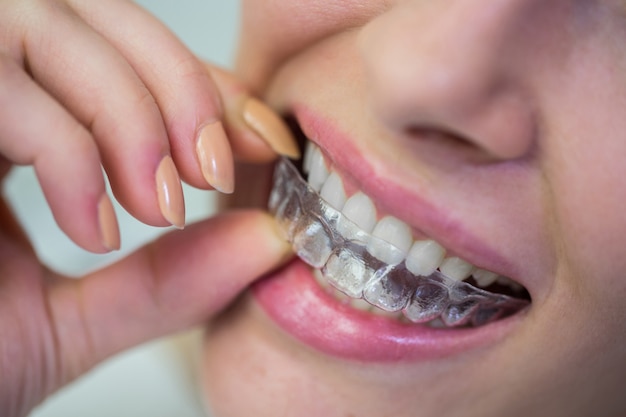
For individuals with misaligned or crowded teeth, clear aligners like Invisalign provide a non-invasive alternative to traditional braces. These custom-made, transparent trays gradually shift teeth into alignment without the need for metal brackets or wires. Clear aligners are particularly popular in London, where professionals and public-facing individuals value their discreet appearance.
The treatment begins with a digital scan of the patient’s teeth, which a cosmetic dentist in London uses to create a personalised treatment plan. Patients receive a series of aligners, each worn for about two weeks, that progressively adjust tooth position. Treatment duration varies—simple cases may take six months, while complex alignments can require up to two years. Patients must wear the aligners for 20–22 hours daily, removing them only for eating and brushing, to achieve optimal results.
Clear aligners offer several advantages over braces. They’re comfortable, with smooth edges that minimise irritation, and their removability simplifies oral hygiene, reducing the risk of decay or gum issues. They also require fewer dental visits, as patients can switch aligners at home. However, success depends on patient compliance, and those with severe orthodontic issues may need alternative solutions. A skilled cosmetic dentist ensures the treatment is suitable and monitors progress to avoid complications.
The Role of Oral Health in Non-Invasive Treatments
Non-invasive cosmetic procedures are most effective when built on a foundation of good oral health. Healthy teeth and gums not only enhance the longevity of treatments like whitening or bonding but also reduce the risk of complications. Regular dental check-ups, professional cleanings, and proper home care—brushing twice daily with fluoride toothpaste and flossing—are essential for maintaining results.
Poor oral hygiene can undermine even the best cosmetic work. For example, untreated gum disease can cause recession, affecting the appearance of bonded teeth or aligners. Similarly, decay can compromise whitening results or necessitate additional treatments. London’s cosmetic dentists emphasise the importance of addressing underlying issues before proceeding with aesthetic enhancements. This holistic approach ensures that smile upgrades are both beautiful and sustainable.
Diet also plays a significant role. A balanced diet low in sugary or acidic foods supports enamel strength, while avoiding smoking prevents staining and gum damage. Patients are often advised to incorporate calcium-rich foods, like dairy or leafy greens, to bolster tooth health. By combining professional treatments with diligent self-care, individuals can maximise the benefits of non-invasive dentistry.
Choosing the Right Cosmetic Dentist in London
Selecting a qualified cosmetic dentist is critical to achieving safe, effective results. London’s Harley Street is renowned for its concentration of skilled professionals. When choosing a dentist, patients should look for credentials such as accreditation from the British Academy of Cosmetic Dentistry, which signifies rigorous training and proven expertise. Reviews, before-and-after galleries, and consultations can also provide insight into a dentist’s skill and patient care approach.
During a consultation, a reputable cosmetic dentist will assess oral health, discuss goals, and recommend treatments tailored to the patient’s needs and budget. They’ll also explain potential risks, such as temporary sensitivity from whitening or the need for occasional bonding touch-ups. Transparency about costs and timelines is another hallmark of a trustworthy practice, ensuring patients feel confident in their decision.
Technology is another factor to consider. Clinics equipped with digital imaging, intraoral cameras, or 3D scanners can offer more precise diagnostics and treatment planning. These tools enhance the accuracy of non-invasive procedures, from designing aligners to matching bonding resin to natural teeth. Patients should inquire about the technology used and how it contributes to their treatment’s success.
The Psychological and Social Benefits of Smile Upgrades
A confident smile extends beyond aesthetics, influencing mental well-being and social interactions. Studies show that individuals with attractive smiles are perceived as more approachable and trustworthy, which can enhance personal and professional relationships. In a city like London, where first impressions matter in business and social settings, non-invasive cosmetic dentistry offers a way to boost self-esteem without drastic measures.
For many, the decision to pursue a smile upgrade stems from insecurities about stained, chipped, or crooked teeth. Non-invasive treatments address these concerns efficiently, often in just one or two visits, providing a quick confidence boost. Patients report feeling more comfortable smiling in photos, speaking in public, or engaging in social events after treatments like bonding or whitening. This psychological uplift can have a ripple effect, encouraging healthier habits and a more positive outlook.
Moreover, non-invasive procedures are less intimidating for those with dental anxiety. The absence of drills, needles (in many cases), or lengthy recovery periods makes these treatments approachable for nervous patients. Clinics often enhance this comfort with welcoming environments, sedation options, or even therapy dogs, ensuring a stress-free experience.
Future Trends in Non-Invasive Cosmetic Dentistry
The field of non-invasive cosmetic dentistry continues to evolve, driven by technological advancements and patient demand. Innovations like laser whitening, which offers faster results with less sensitivity, are gaining traction in London. Similarly, advancements in composite materials are improving the durability and aesthetics of bonding, making it an even stronger alternative to veneers.
Digital dentistry is another game-changer. Tools like AI-driven smile simulations allow patients to preview results before committing to treatment, enhancing decision-making. These simulations, combined with 3D printing for aligners or temporary restorations, streamline processes and improve outcomes. As these technologies become more widespread, they’re likely to make non-invasive treatments even more precise and accessible.
Sustainability is also emerging as a priority. Eco-friendly materials, such as recyclable aligners or biodegradable whitening trays, are being explored to reduce the environmental impact of dental care. London’s cosmetic dentists are at the forefront of these trends, adopting practices that align with the city’s progressive values.
Maintaining Your Upgraded Smile
Long-term success of non-invasive treatments depends on consistent care. Patients should follow their dentist’s aftercare instructions, which may include using a soft toothbrush, avoiding abrasive whitening toothpastes, or wearing a retainer post-aligner treatment. Regular hygienist visits—typically every six months—help remove plaque and maintain the polished look of treated teeth.
Lifestyle adjustments can also extend results. Limiting red wine, coffee, or curry consumption prevents staining, while quitting smoking protects both aesthetics and gum health. For aligner patients, storing trays properly and cleaning them daily prevents bacterial buildup. These small habits, combined with professional oversight, ensure that smile upgrades remain vibrant for years.
Conclusion
Non-invasive cosmetic dentistry offers Londoners a practical, effective way to enhance their smiles without the drawbacks of traditional procedures. From whitening to bonding to clear aligners, these treatments deliver impressive results while prioritising oral health and patient comfort. By choosing a skilled cosmetic dentist in London, individuals can achieve a confident, radiant smile that enhances both their appearance and well-being. With ongoing advancements in technology and a focus on personalised care, the future of smile upgrades looks brighter than ever.